Introduction
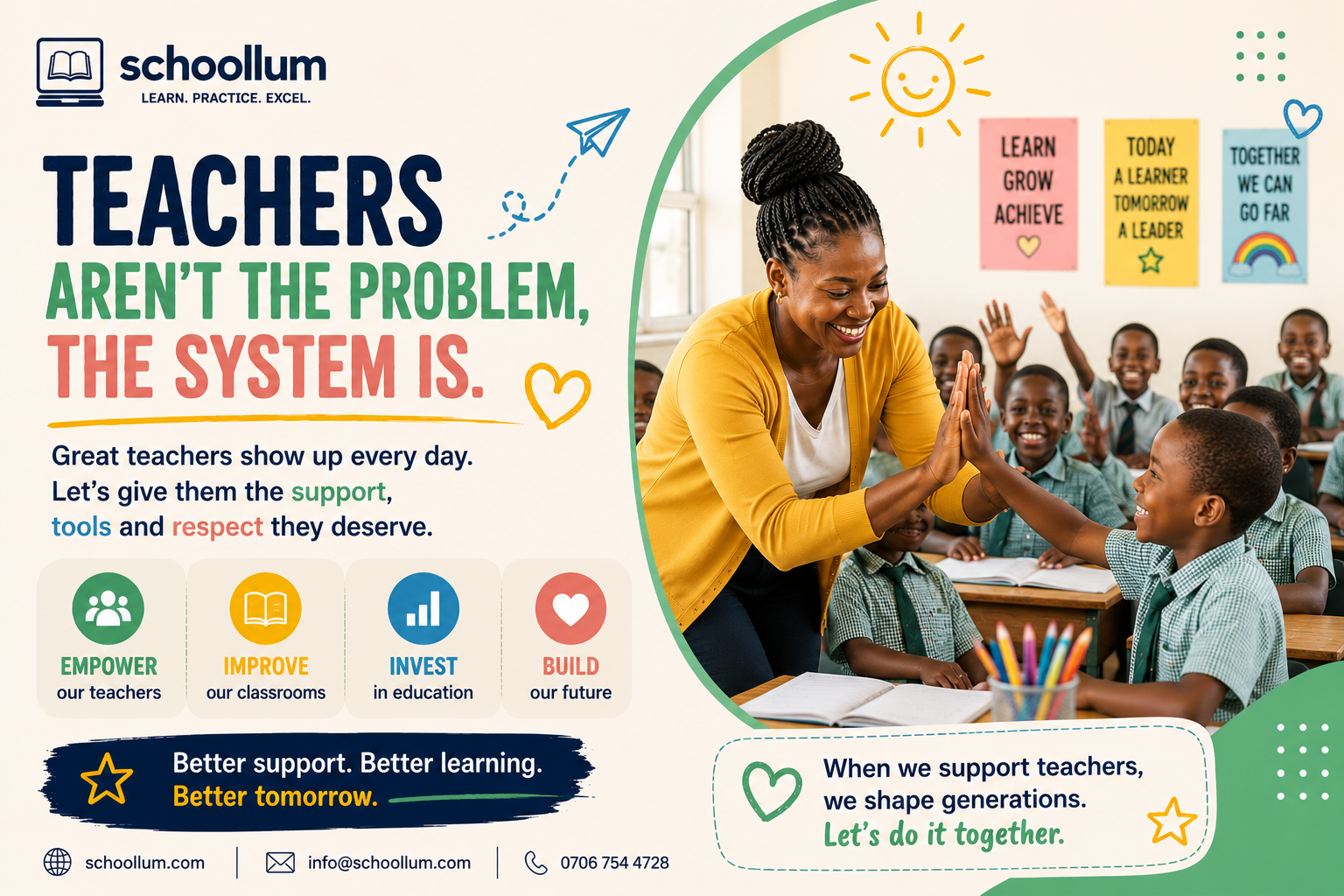
In many conversations about education, teachers are often blamed for poor outcomes. Students are underperforming. Results are declining. Skills gaps are widening. And the immediate reaction is: teachers are not doing enough. But this perspective misses a critical truth. Teachers are not the problem. The system they operate in is.
The Reality Teachers Face
Across many schools, teachers are working under conditions that make effective teaching extremely difficult.
They manage:
- Overcrowded classrooms
- Limited teaching resources
- Outdated materials
- Little access to training or development
Despite this, they show up every day—teaching, guiding, and supporting students as best as they can. The issue is not willingness. It is capacity.
The Expectation Gap
There is a growing gap between what we expect from teachers and what we equip them with.
We expect:
- Engaging lessons
- Personalized learning
- Strong student outcomes
But we often fail to provide:
- Modern teaching tools
- Continuous professional development
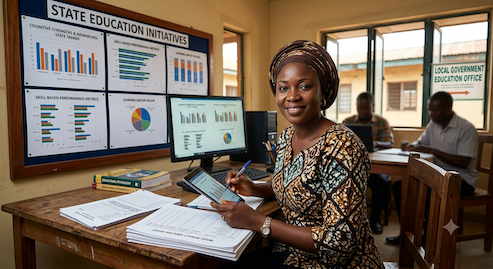
- Data to guide instruction
- Structured support systems
Without these, even the most dedicated teacher will struggle.
Why Teacher Support Matters
Education systems are only as strong as the teachers within them. When teachers are empowered:
- Lessons become more engaging
- Students understand concepts better
- Learning becomes practical and relevant
When teachers are unsupported:
- Teaching becomes routine
- Learning becomes passive
- Outcomes decline
Improving education without investing in teachers is like trying to improve healthcare without supporting doctors.
What Needs to Change
To truly transform education, we must prioritize teacher support. This includes:
1. Access to Tools
Teachers need platforms that simplify teaching, assessment, and feedback.
2. Continuous Training
Education is evolving. Teachers must evolve with it through regular training and exposure.
3. Data-Driven Insights
Teachers should have access to student performance data to guide decisions.
4. Better Classroom Conditions
Reducing overcrowding and improving infrastructure enables better engagement.
The Role of Technology
Technology is not a replacement for teachers—it is a support system. When used effectively, it helps teachers:
- Deliver more engaging lessons
- Track student progress
- Identify learning gaps
- Improve outcomes
Platforms like Schoollum are designed to support this shift—helping schools move from manual, disconnected processes to structured, data-driven systems.
Conclusion
Blaming teachers will not fix education. Supporting them will. If we want better students, we must first build better systems for teachers. Because at the heart of every strong education system is a supported, empowered teacher.