Across Nigeria and many emerging markets, education is at a turning point. Schools are under pressure to “go digital.”
Exams are moving online. Platforms are being introduced. And technology is increasingly seen as the path forward. But there is a critical question we are not asking enough: How much technology do schools actually need?
The Problem with “Going Digital”
Too often, technology adoption in education is driven by trends rather than needs. Schools introduce:
- Learning platforms that teachers are not trained to use
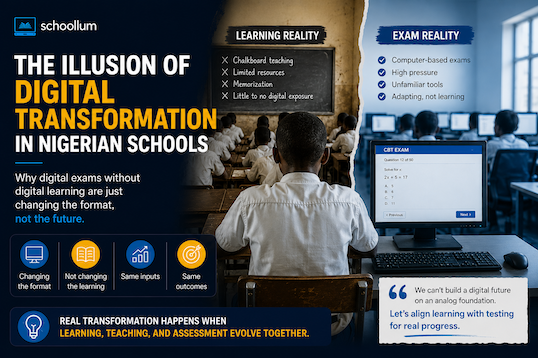
- Computer-based testing without consistent access to computers
- Digital content that simply replicates outdated teaching methods
The result?
Technology exists—but impact is limited. This is because technology does not fix weak systems. It amplifies them.
The Reality of Emerging Markets
In countries like Nigeria, education operates within unique constraints:
- Inconsistent electricity
- Limited device access
- Varying levels of digital literacy among teachers
- Large classroom sizes
Ignoring these realities leads to solutions that look good—but fail in practice. However, there is another side to the story.
The Opportunity We Already Have
Nigeria is not starting from zero. We have:
- A mobile-first population
- A large and youthful demographic
- Increasing exposure to digital tools
- A culture of adaptation and innovation
This means the opportunity is not to copy advanced systems blindly—but to build context-aware solutions.
Where Technology Actually Works
Technology creates the most value when it solves real problems. In schools, this includes:
1. Administration
Digitising admissions, payments, and communication.
2. Assessment
Improving testing systems and feedback loops.
3. Learning Support
Providing structured access to learning resources.
4. Data
Helping schools understand student performance and gaps.
5. Teacher Support
Equipping teachers with tools that make their work easier—not harder.
What Should Not Be Forced
Not everything in education should be digitised. Technology should:
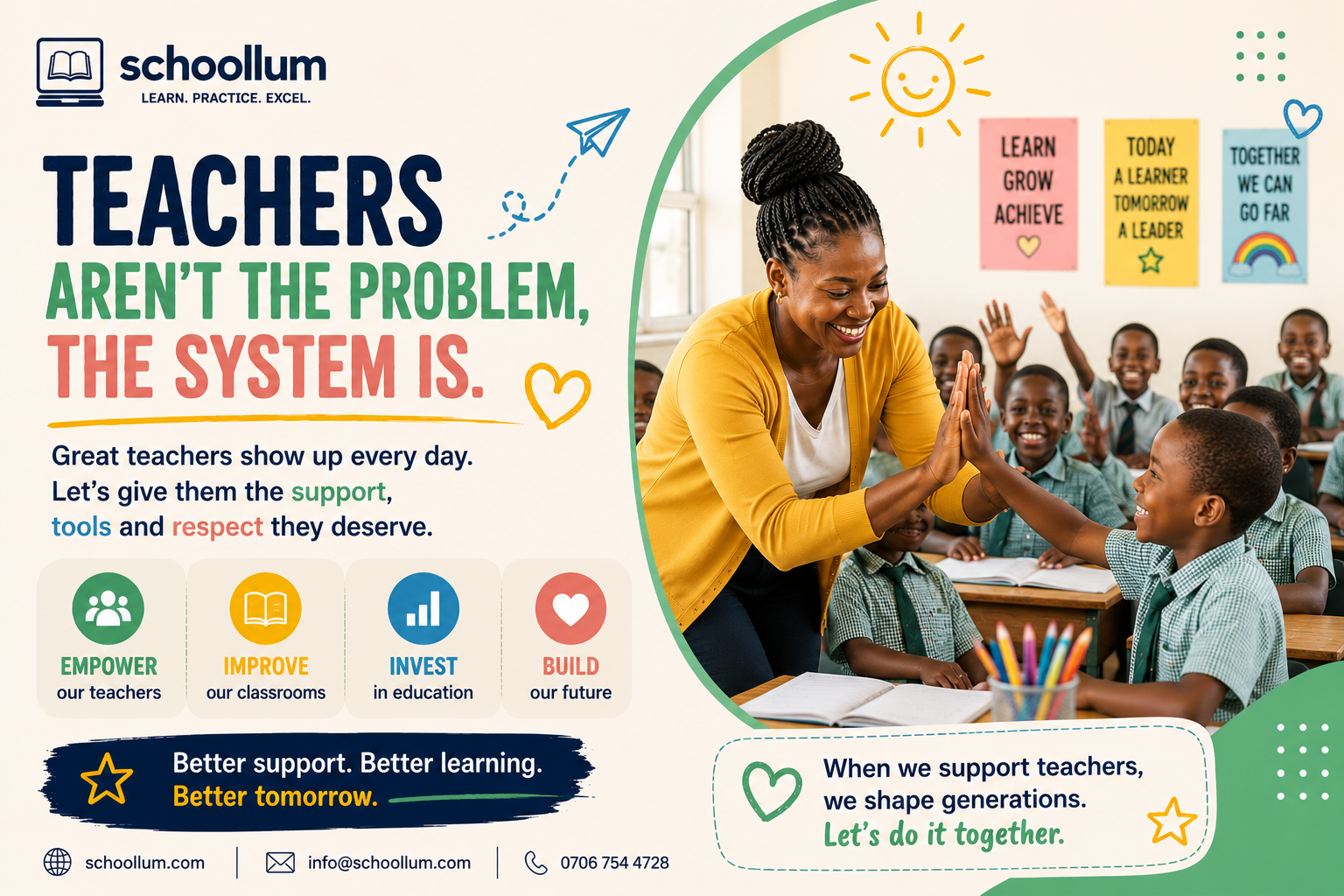
- Support teacher-student relationships, not replace them
- Enhance practical learning, not simulate everything
- Enable better discussions, not eliminate them
Education is still human at its core.
A Better Approach: Fit-for-Purpose Adoption
Instead of asking “How do we become digital?”, schools should ask:
- What problem are we trying to solve?
- What is our current reality?
- What level of technology fits this reality?
- Did learning actually improve?
This approach ensures that technology serves education—not the other way around.
The Future of Education
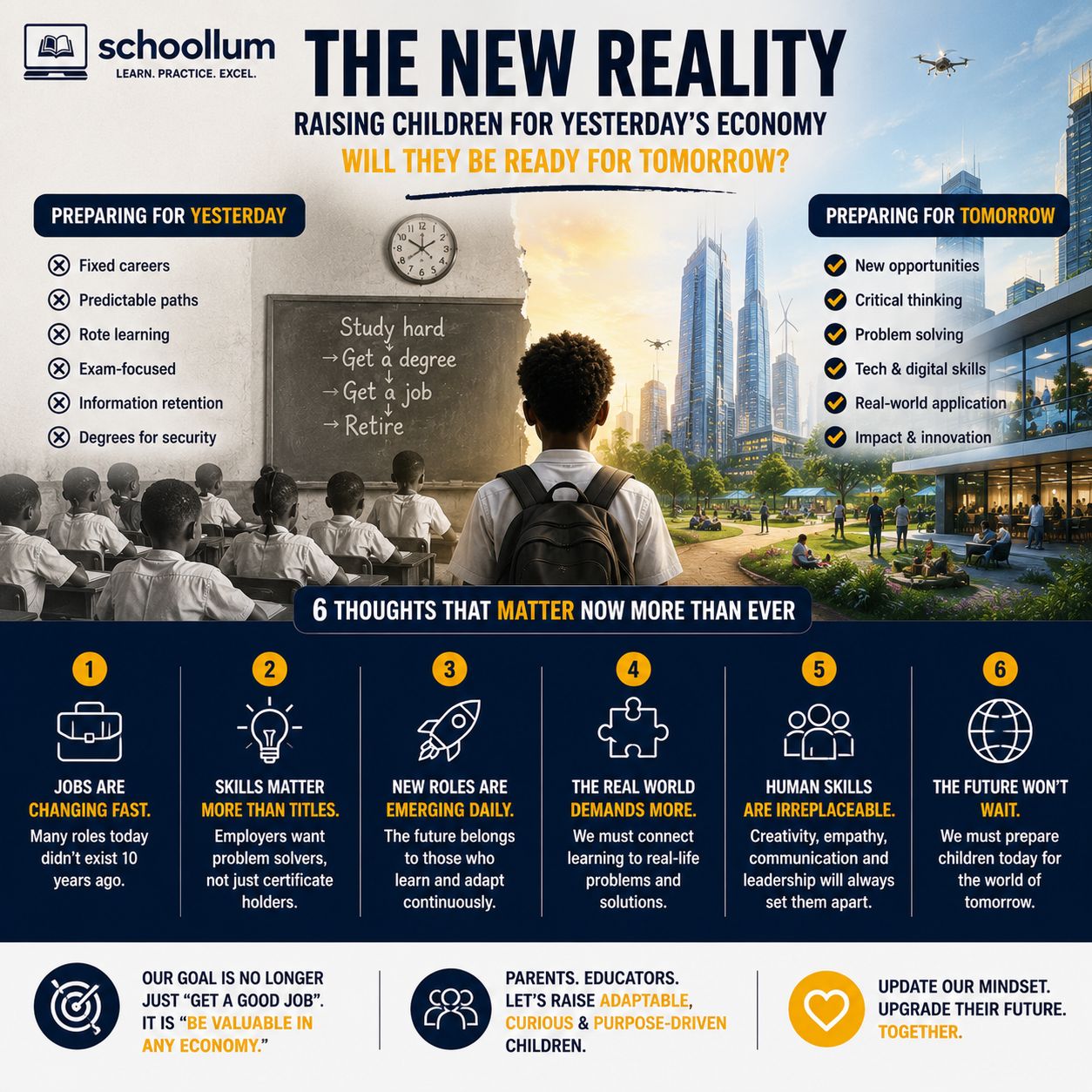
The future is not about having more screens in classrooms. It is about:
- Better teaching
- Smarter decision-making
- More effective learning
Technology plays a role—but only when used intentionally.
Final Thought
Education does not need more tools. It needs better use of the right tools. Because when the right technology meets the right people, with the right purpose— everything changes.